

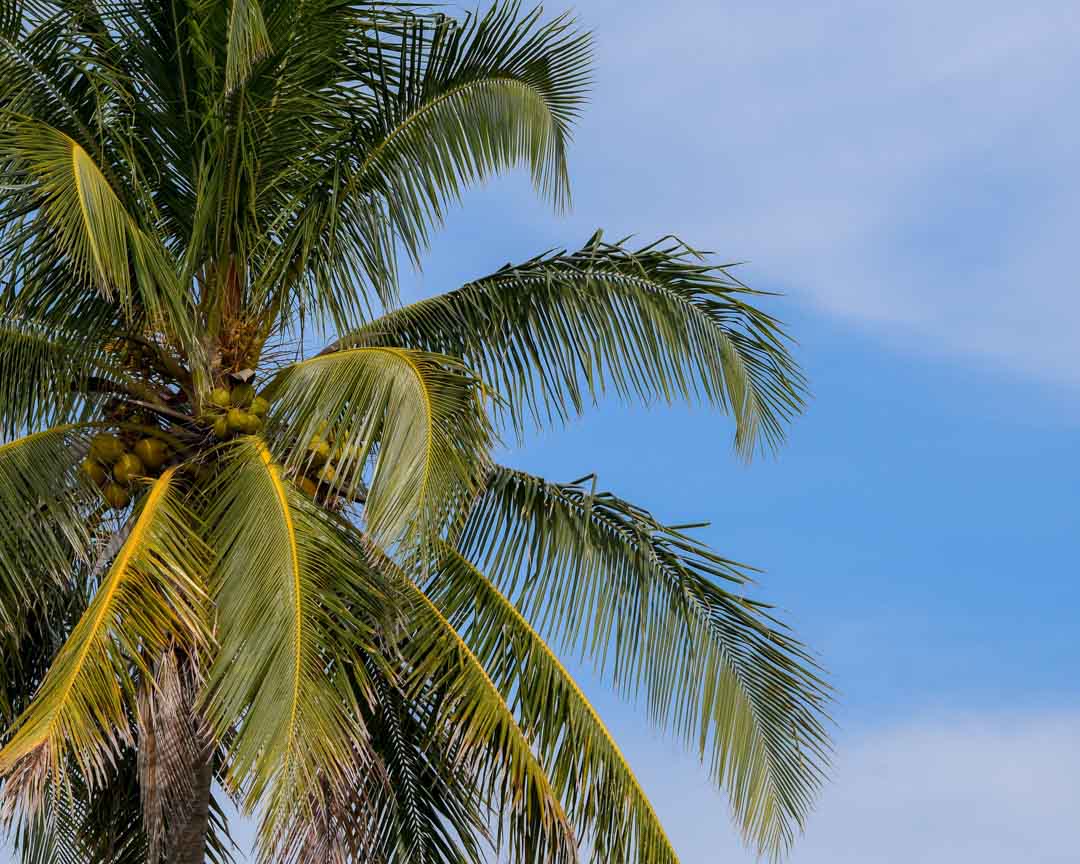
Plants are our life here at ECOMAX.
For centuries, people have looked to plants to provide the materials we need for everyday life. From rope and textiles to baskets, brooms and brushes, natural fibres have always had a place in our homes.
We believe it is time to bring some of that ingenuity back.
Why choose plants over plastic? They grow again, they return to the earth, and they can be turned into some wonderfully useful things. From tough coconut fibre to silky-soft jute, plants give us natural materials perfectly suited to everyday life.
Good for the planet. Good for people.
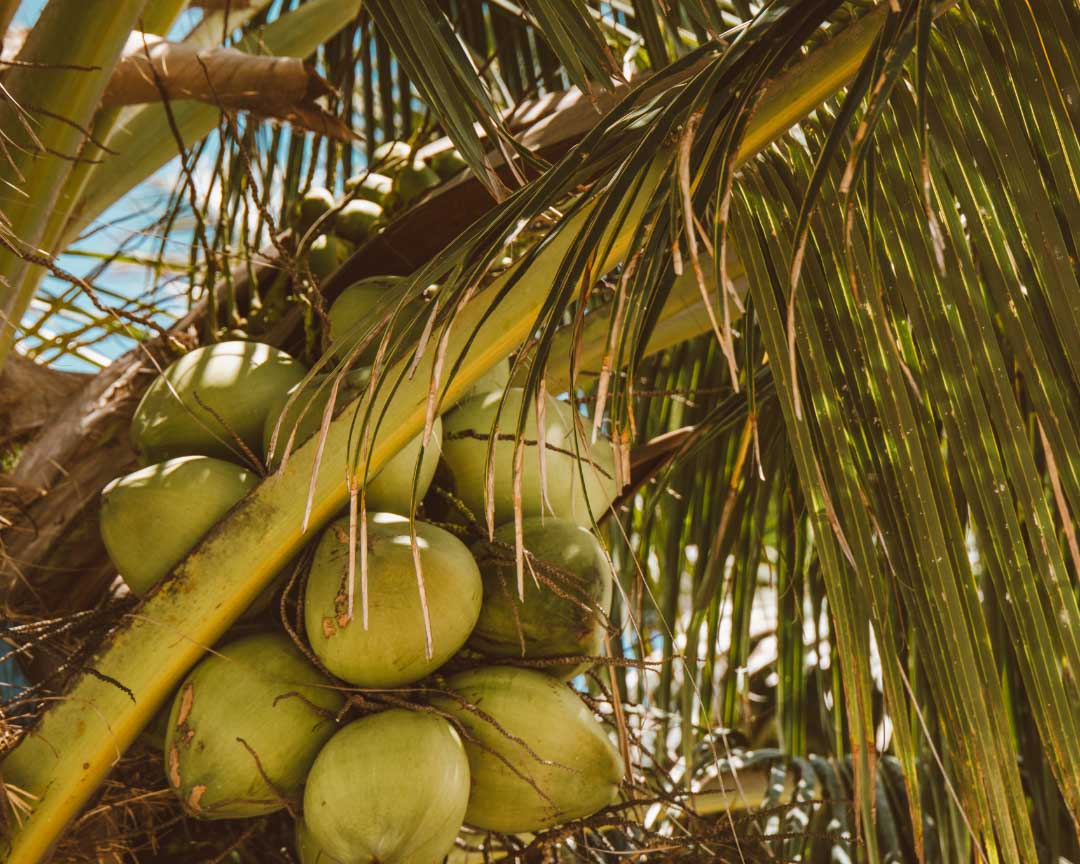
Cocos nucifera
Coconuts are grown extensively in Sri Lanka for their fruit, but there is much more to this palm than what is inside the coconut.
Once the husk has done its job of protecting the fruit, it can be transformed into coir, a tough and remarkably resilient natural fibre.
This is where things get interesting – coconut fibre is naturally resistant to mould and mildew and has the strength and durability needed for hardworking brushware.
What might otherwise be considered agricultural waste becomes the perfect material for all sorts of natural, biodegradable brushes.
A tough little fibre with a very useful second life.
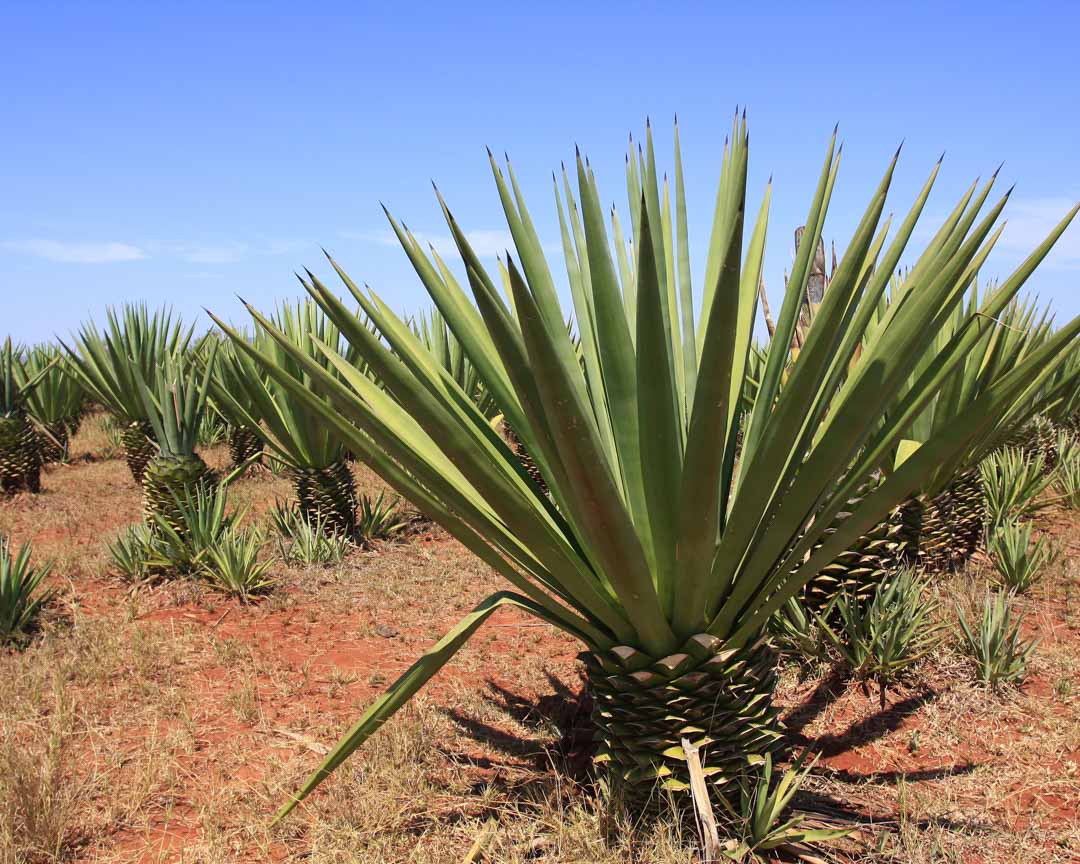
Sisal comes from Agave sisalana, a hardy plant that has learned to thrive where conditions can be challenging.
It is well suited to dry environments and can be grown on land that is not necessarily suitable for many other crops. It also requires relatively little water compared with many agricultural crops.
And then there is the fibre.
Sisal is strong, durable and naturally stiff, making it an excellent material for brushes, rope and other hardworking products.
It has been used for rope for generations, including for maritime applications where strength and durability really matter.
Hardy plant. Tough fibre. Very good brush.
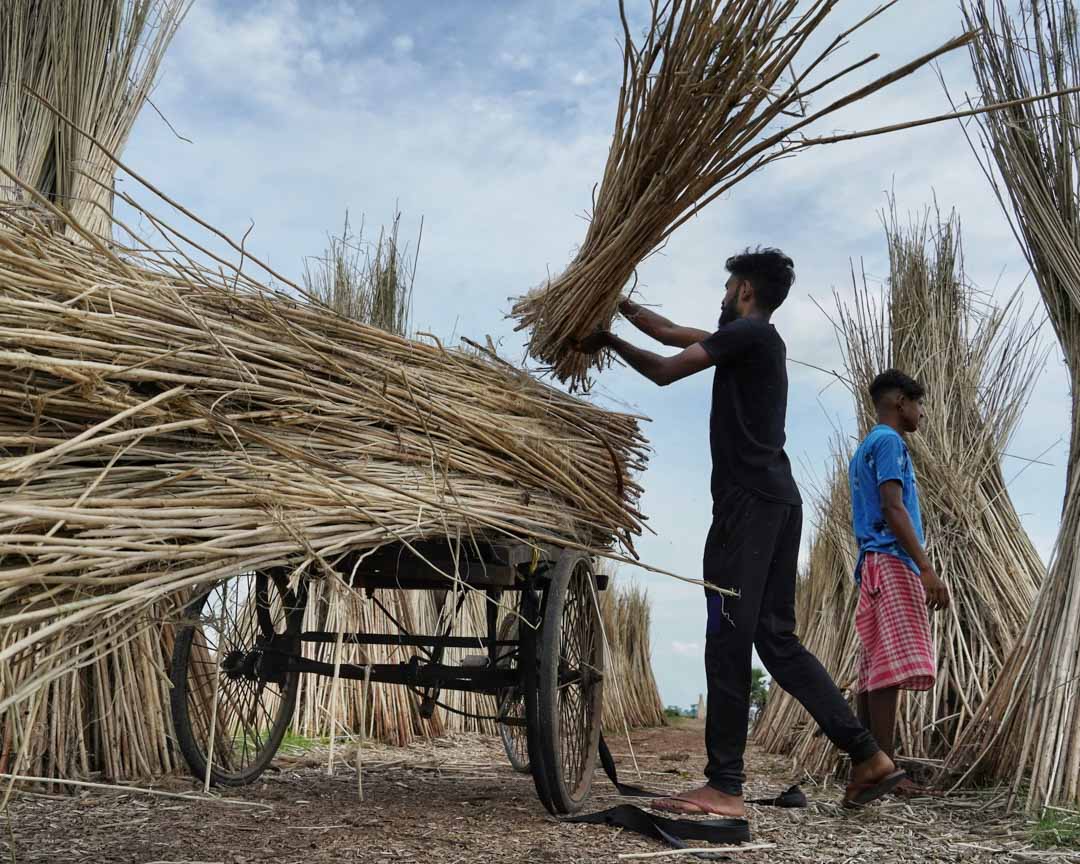
Jute has been grown and used by people for centuries, particularly in India and Bangladesh, where it remains an important crop.
It is a fast-growing plant that produces long, fine fibres with a wonderfully soft, silky feel.
Traditionally, jute has been used to make everything from sacks and ropes to textiles and other everyday products. As plastic packaging became more common, some of those traditional uses declined.
We think jute deserves another moment in the spotlight.
Its soft natural feel makes it particularly lovely for personal care products, where a fibre needs to be effective without being overly harsh.
Strong enough to be useful, soft enough to be kind to your skin.
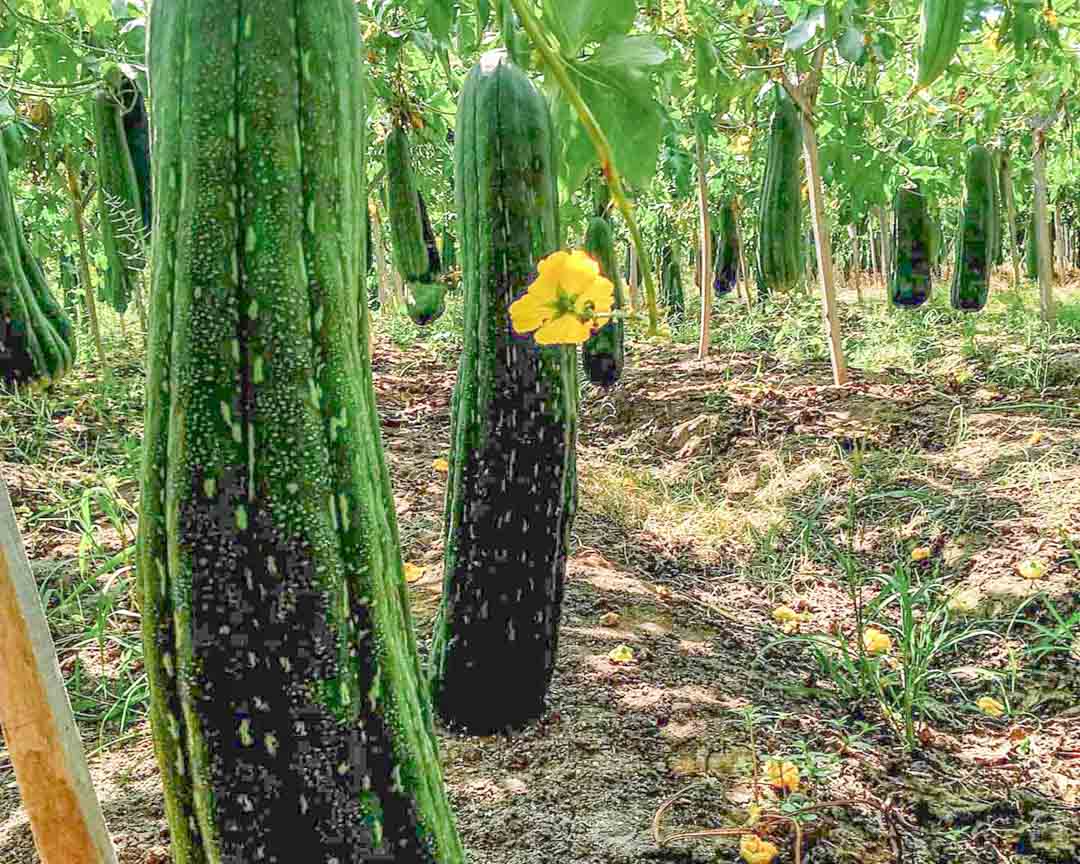
Luffa aegyptiaca
Believe it or not, that wonderfully scrubby thing in your bathroom starts life looking rather like a cucumber.
The loofah plant produces long green fruits that can be eaten while young and tender. But leave the fruit to mature on the vine and something quite extraordinary happens.
The flesh dries away, leaving behind a strong network of natural fibres.
And that is where cooking’s loss becomes our gain.
Once cleaned and dried, this natural fibre makes a wonderfully useful sponge for the kitchen, bathroom and body.
One fruit. So many uses.
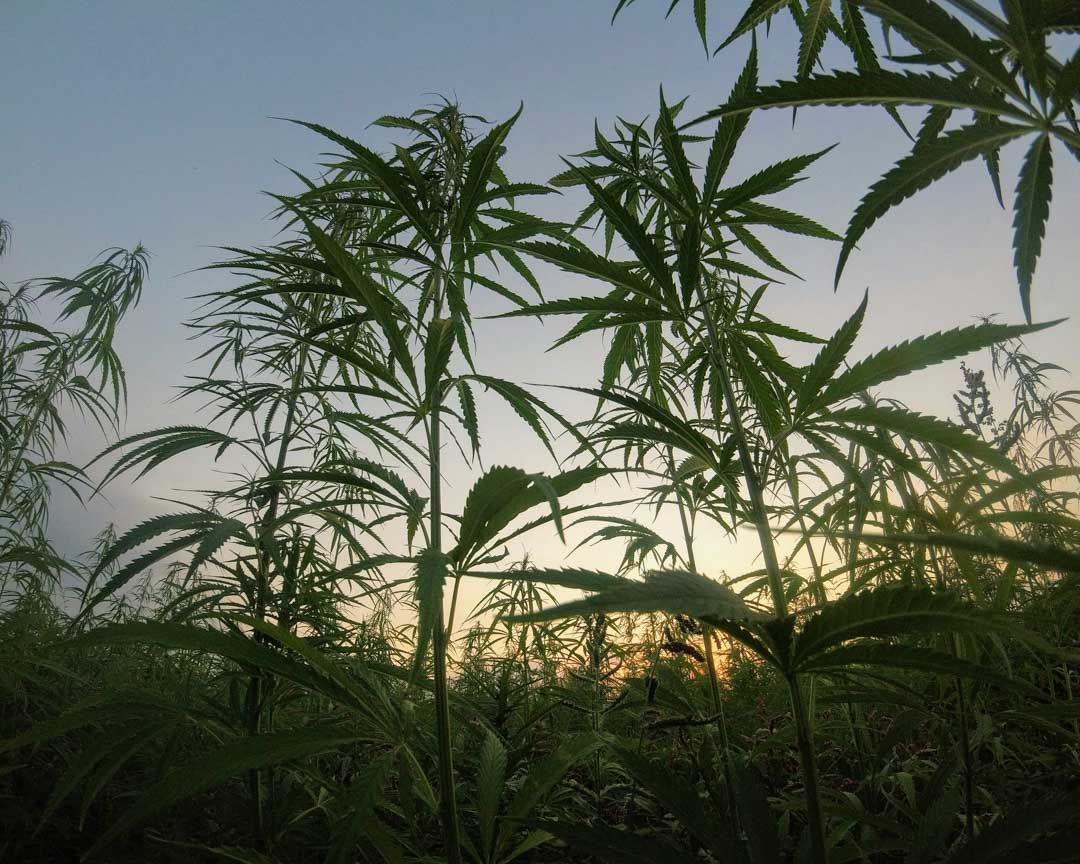
Hemp is one of the oldest cultivated plants in human history, and people have been finding clever things to do with it for thousands of years.
Its long, strong fibres have traditionally been used for rope, textiles, paper and many other products.
It is this combination of strength and versatility that makes hemp such an interesting natural material.
Our hemp fibres are strong and durable, yet soften beautifully with use, making them particularly suited to products that become even nicer as they are used.
Ancient plant. Remarkably useful fibre.
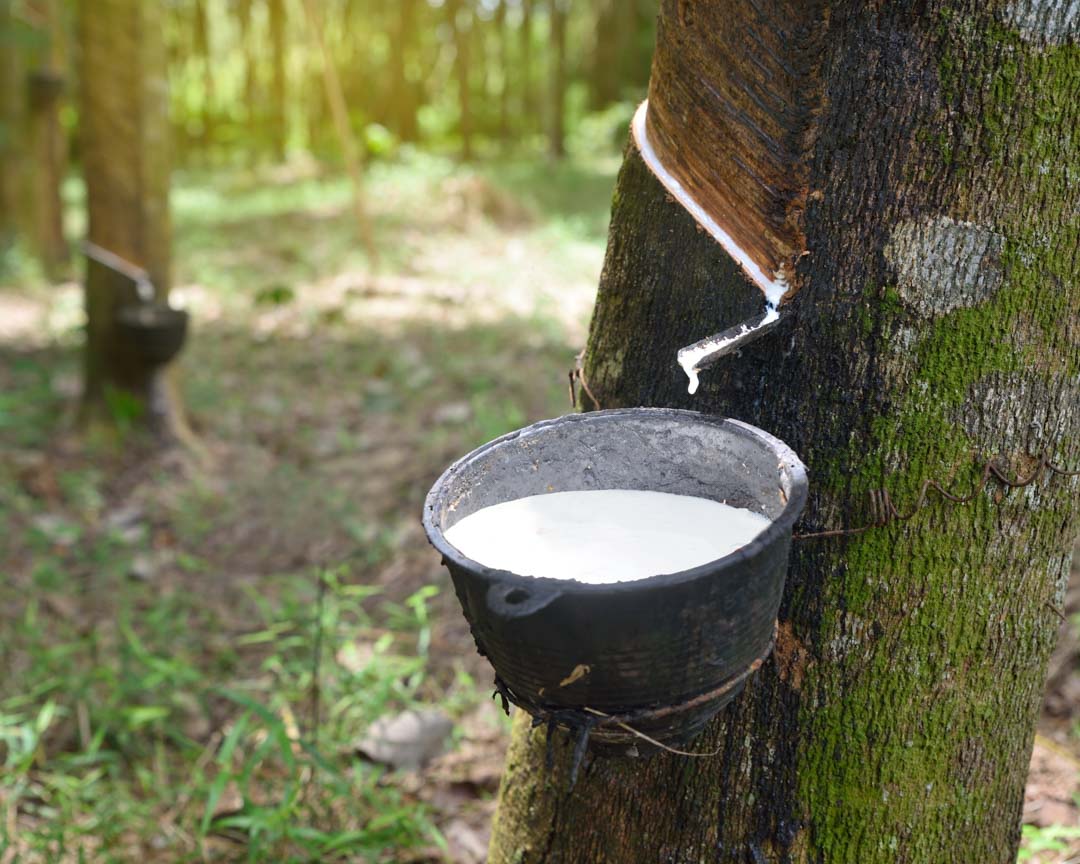
Rubber trees are grown in Sri Lanka primarily for their natural latex. After many years of producing latex, the trees eventually reach the end of their productive life and are replaced.
Rather than allowing this valuable timber to go to waste, the wood can be given a second life.
We source rubberwood offcuts from furniture manufacturers and use them to make many of our brush handles.
Where possible, we choose timber from manufacturers using FSC-certified rubberwood, helping us source timber from responsibly managed plantations.
A tree that has finished making rubber still has plenty to give.
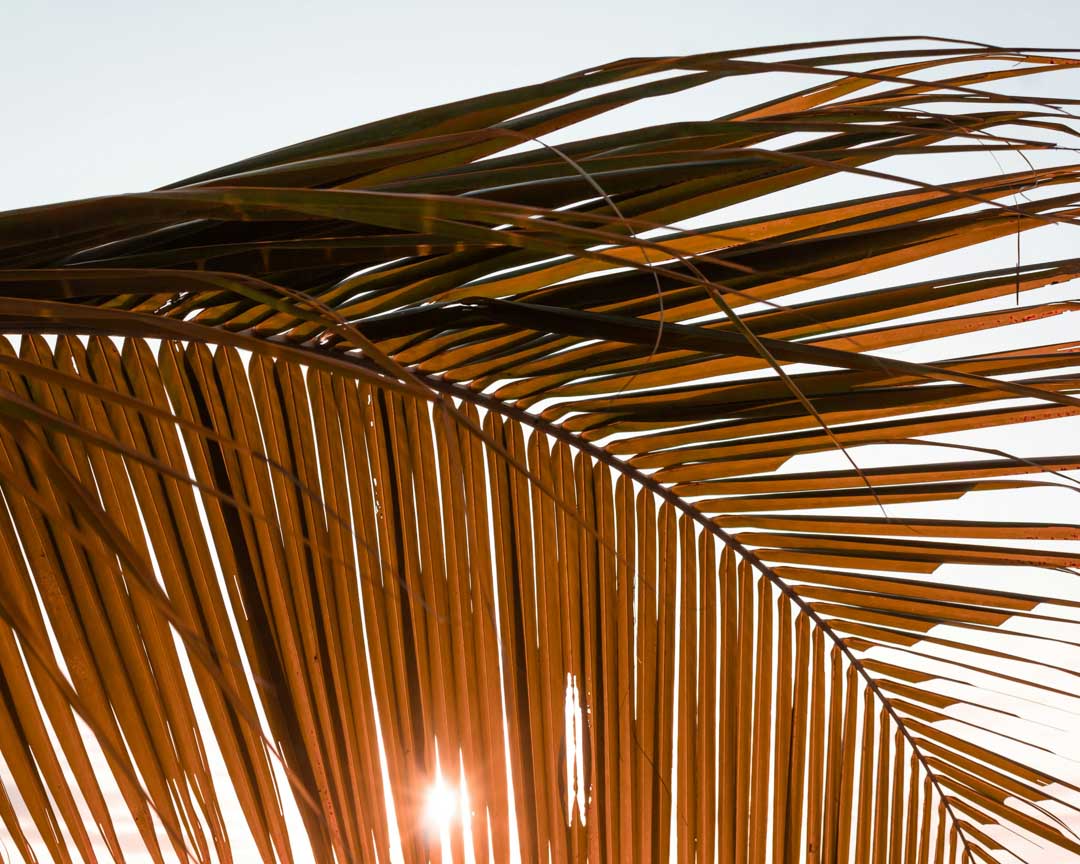
An ekel is the dried centre rib of a fallen coconut palm frond. Traditionally used to make outdoor brooms in Sri Lanka, the word ekel is of Tamil origin.
We love it because the material has already done some serious work before it ever reaches us.
While growing on the palm, the frond has had to withstand harsh tropical weather, heavy rain and strong winds. Its natural structure allows it to bend and flex, while the material itself has a natural resistance to insect damage and fungal decay.
Eventually, the frond falls, dries and becomes useful all over again.
Nature made it tough. We simply found another job for it.
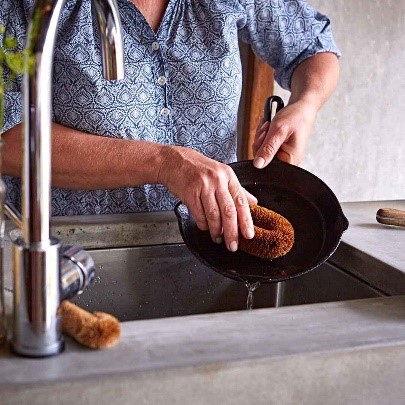
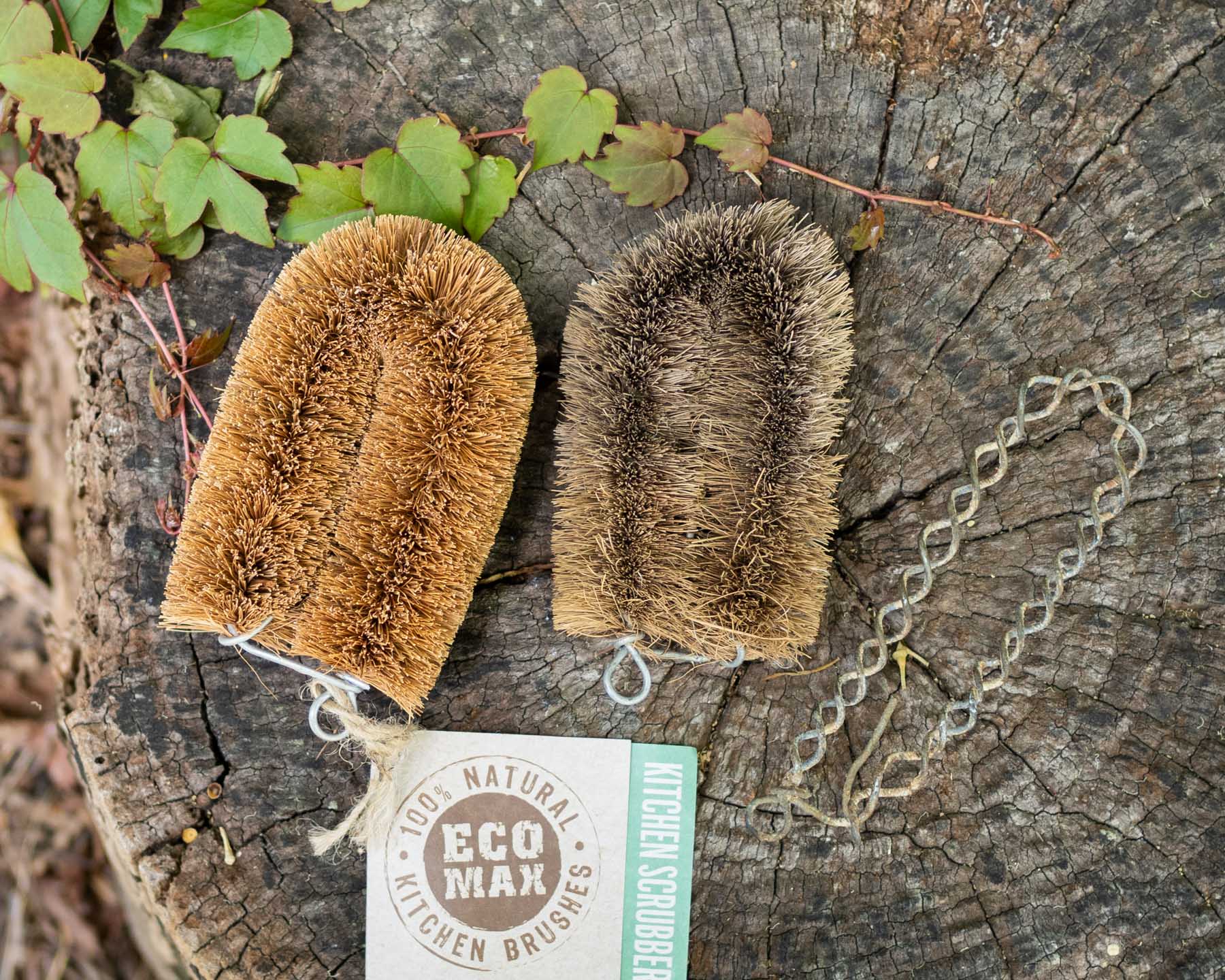
We believe a product’s story shouldn’t end when you bring it home. From the natural materials we choose and the care that goes into making each brush, to the many lives it can have before it finally returns to the earth, we think about what happens at every stage.
Our brushes are made to last, be reused and eventually biodegrade or be recycled, because good products shouldn’t be designed for the bin.
Discover the life of an ECOMAX brush.
From Cradle to Grave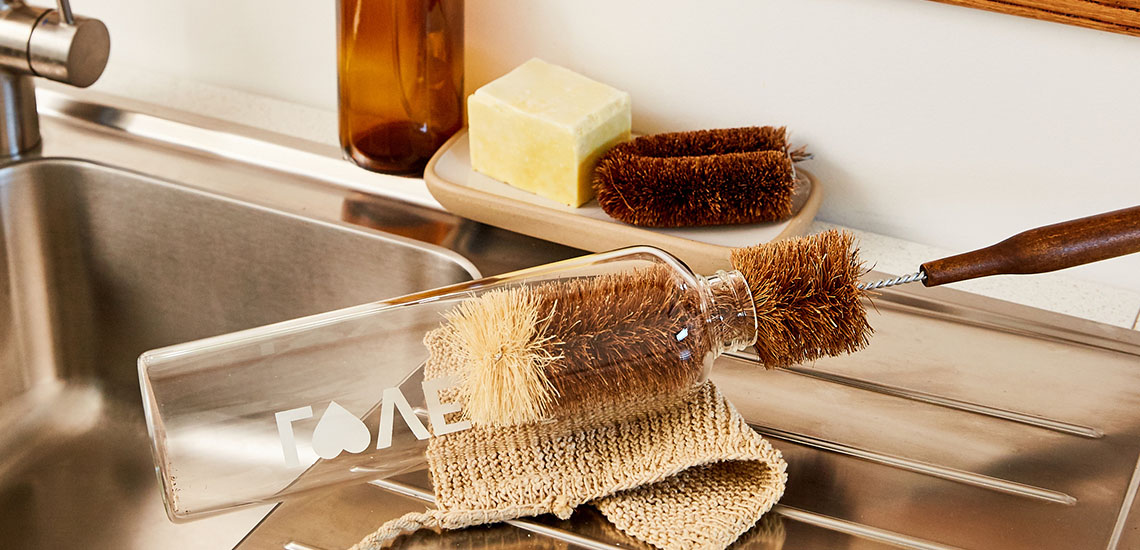
Having had the nasty experience of discovering mouldy things growing in my water bottle it got me thinking about what natural cleaning methods I can...
READ MORE >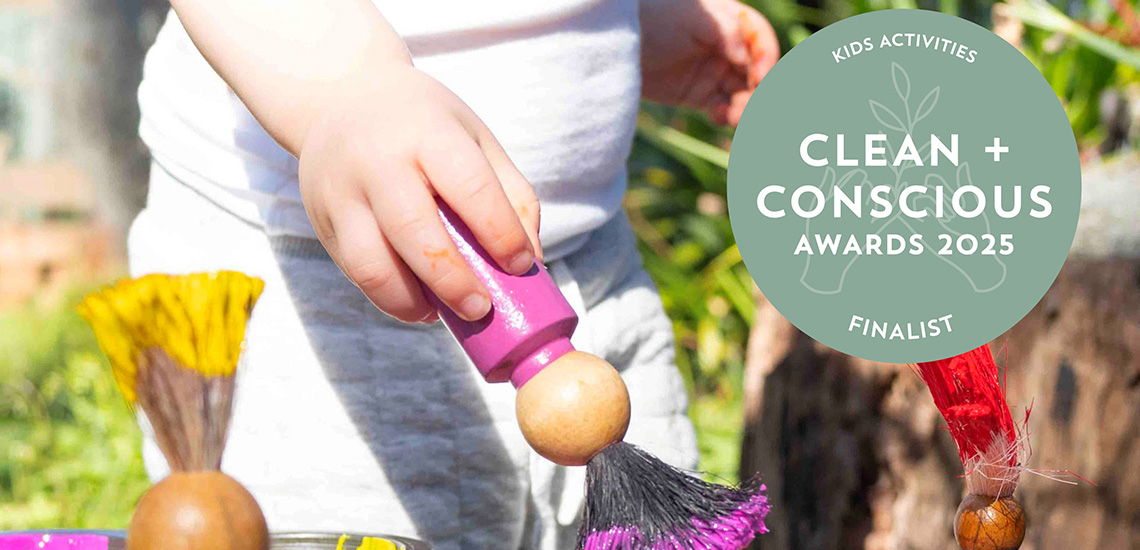
We are so excited to have our Paintee Peeps awarded the silver medal in the 2025 Clean + Conscious Awards and we are especially thrilled...
READ MORE >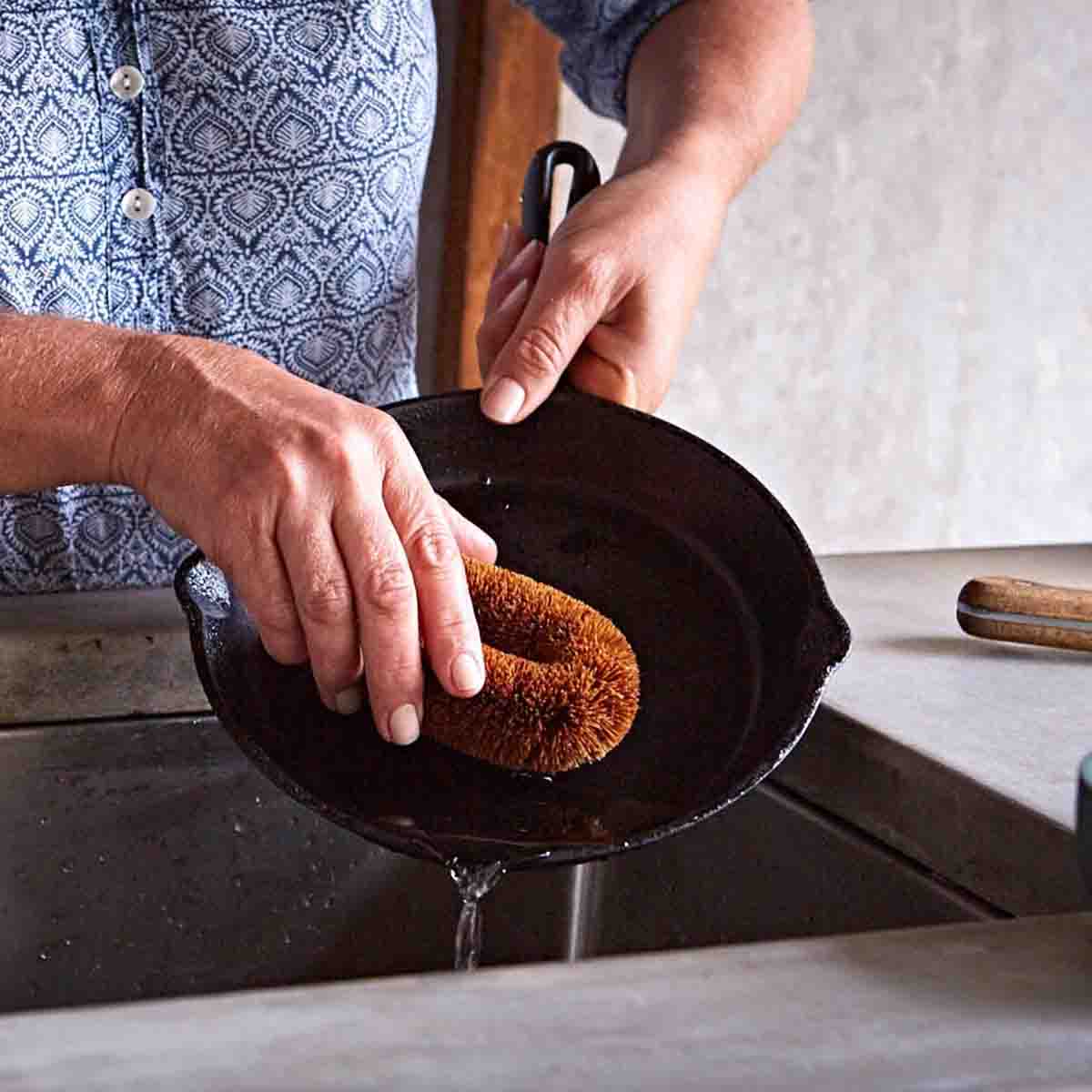
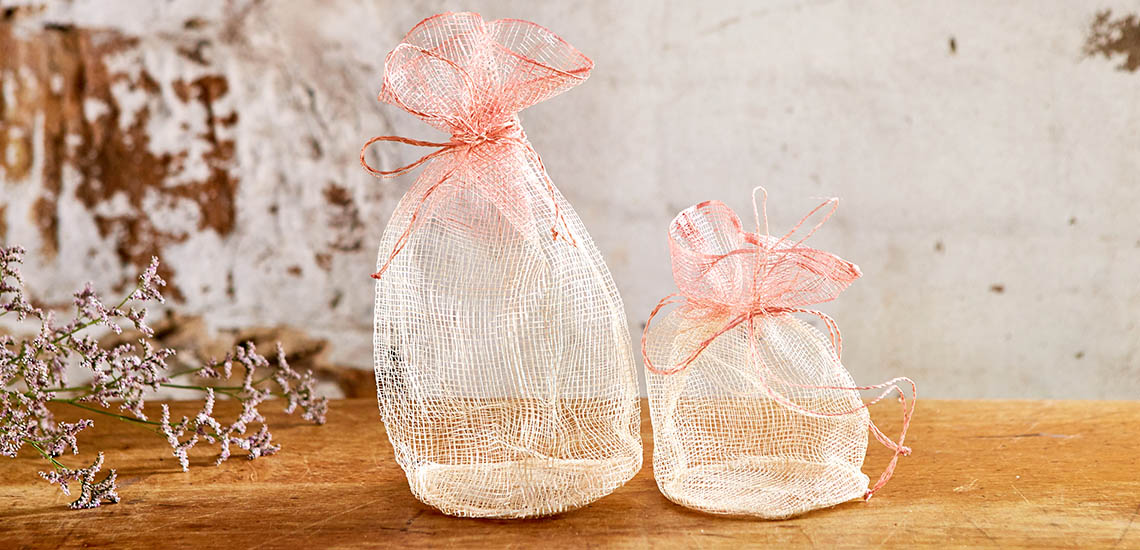
We love having new products to show you, so when we designed our Hemp Soap Savers we just couldn’t wait for you to see them....
READ MORE >
Fair Trade provides many benefits to producers, one such benefit is the ability to fund programs that provide support to the producers and their families....
READ MORE >
We are thrilled to discover the winners of the 2023 Clean + Conscious Awards and are proud to say that not for the first time...
READ MORE >